


Design Technology
“Design is not just what it looks like and feels like. Design is how it works.”
Steve Jobs
At Elmridge, our intent is to develop creative, resilient and innovative designers who are inspired to solve problems, improve the world around them and think critically about the products and technologies they encounter every day. Through an ambitious and engaging curriculum, children develop the knowledge, skills and understanding needed to design, make and evaluate purposeful products whilst gaining an appreciation of the impact of design and technology on society.
Our Design and Technology curriculum is carefully sequenced to ensure children develop secure understanding of key concepts, materials, structures, mechanisms, textiles, food and nutrition and electrical systems whilst making meaningful connections between prior learning and increasingly complex ideas over time. We want pupils to understand how designers, engineers and innovators shape the world around them and recognise the relevance of Design and Technology within everyday life and future innovation.
Design and Technology at Elmridge promotes creativity, curiosity and problem-solving. Through practical projects, discussion and wider enrichment opportunities, children learn to think and work like designers by identifying needs, generating ideas, creating solutions, evaluating effectiveness and refining their work.
Our curriculum reflects our values of Challenge, Care and Collaboration. Children are encouraged to persevere through challenges, care about the needs of others and the environment and collaborate effectively when designing and making products. Through high expectations and adaptive teaching, all pupils, including those with SEND and disadvantaged pupils, are supported to access and succeed within the full Design and Technology curriculum.
Design and Technology contributes significantly to our curriculum ambitions. Pupils develop as Confident Communicators through presenting ideas, explaining design decisions and evaluating outcomes using precise technical vocabulary. They become International Learners through exploring products, inventions and innovations from different cultures and countries. Through leadership opportunities within projects and problem-solving activities, children grow as Aspirational Leaders who understand how creativity and innovation can positively influence the wider world.
Design and Technology at Elmridge is taught through a carefully sequenced curriculum that develops both substantive knowledge and disciplinary thinking. Learning is structured around the iterative process of designing, making and evaluating, enabling children to think and work like designers, engineers and innovators.
Lessons are carefully planned to develop secure understanding of key technical knowledge alongside the practical skills required to create high-quality products. Children learn progressively about structures, mechanisms, textiles, food and nutrition and electrical systems, building upon prior learning and applying their knowledge in increasingly sophisticated ways.
Teachers use explicit instruction, modelling and purposeful questioning to support children in developing secure understanding and technical vocabulary. Subject-specific language is introduced, revisited and embedded regularly so that pupils can explain their thinking, justify design decisions and communicate ideas clearly and accurately.
Practical learning is central to Design and Technology at Elmridge. Children are provided with regular opportunities to investigate, design, create and evaluate products for meaningful purposes and audiences. Teachers use questioning, retrieval practice and evaluation activities to deepen understanding, address misconceptions and strengthen long-term retention of knowledge.
Learning is enriched through STEM opportunities, enterprise projects, educational visits, design competitions, workshops and meaningful links with the wider curriculum. Children explore the work of designers, engineers and innovators from around the world, helping them understand the global impact of design and technology whilst developing as International Learners.
Adaptive teaching strategies ensure all pupils can access ambitious Design and Technology learning. Appropriate scaffolds, challenge and support are used to enable every child to succeed whilst maintaining high expectations for all learners.
At Elmridge, we are committed to developing creative, knowledgeable and reflective designers who can apply their learning to solve problems and improve the world around them. Through an ambitious and practical curriculum, children develop secure technical understanding alongside the confidence to design, make, evaluate and communicate their ideas effectively.
The impact of our Design and Technology curriculum can be seen through the following key outcomes:
1. Secure and Connected Technical Understanding
Building Technical Knowledge
Children develop secure understanding of key concepts across structures, mechanisms, textiles, food and nutrition and electrical systems through carefully sequenced learning that builds progressively over time. Pupils can make meaningful links between areas of learning and apply their understanding across a range of contexts.
Knowledge Through Application
Through practical projects and design challenges, children deepen their understanding of technical concepts and learn how knowledge can be applied to solve real-world problems. Pupils understand that successful design requires both creativity and informed decision-making.
2. Working and Thinking Like Designers
Designing, Making and Evaluating
Children develop the disciplinary knowledge needed to think and work like designers through the iterative process of designing, making and evaluating. They learn to identify needs, generate ideas, test solutions and refine outcomes with increasing independence.
Technical Communication
Pupils acquire and use precise technical vocabulary to explain ideas, communicate designs and justify decisions clearly and accurately. Through discussion, presentation and collaborative learning, children develop confidence in articulating their thinking and become Confident Communicators.
3. Creativity, Engagement and Independence
Developing Creativity
Children approach Design and Technology with enthusiasm, creativity and curiosity. Practical experiences, innovation challenges and wider enrichment opportunities help pupils see Design and Technology as relevant, exciting and purposeful.
Positive Learning Behaviours
Pupils develop resilience, independence and collaboration through the design process. Children learn to persevere when designs do not work as intended, reflect on outcomes and work effectively with others to improve solutions.
4. Aspiration and Achievement
Strong Outcomes
Children achieve highly from their individual starting points due to ambitious expectations, carefully sequenced learning and high-quality teaching. Pupils develop secure technical knowledge and practical skills that prepare them well for future learning.
Understanding the Wider World
By the end of Year 6, pupils leave Elmridge with a strong understanding of how design and technology shape the world around them. They recognise the importance of innovation, engineering and creativity within everyday life and future careers. Through exploring global innovations and technological developments, pupils develop as International Learners and Aspirational Leaders who understand their potential to contribute positively to society.

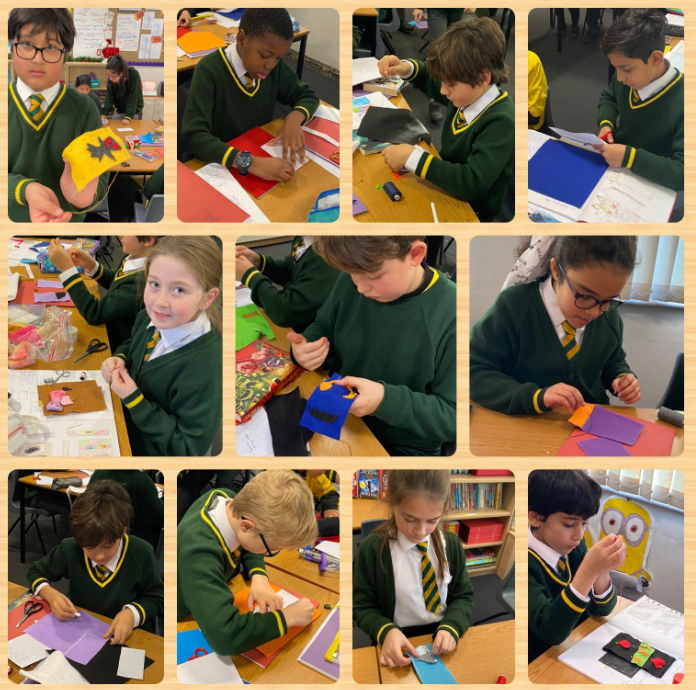
Design Technology in Action

Wilton Drive, Hale Barns
Altrincham, Cheshire WA15 0JF
Call us: 0161 980 4941
Link takes you to our Instagram page ElmridgePrimarySchool

